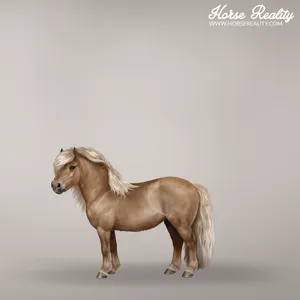
Appearance
| Foals | 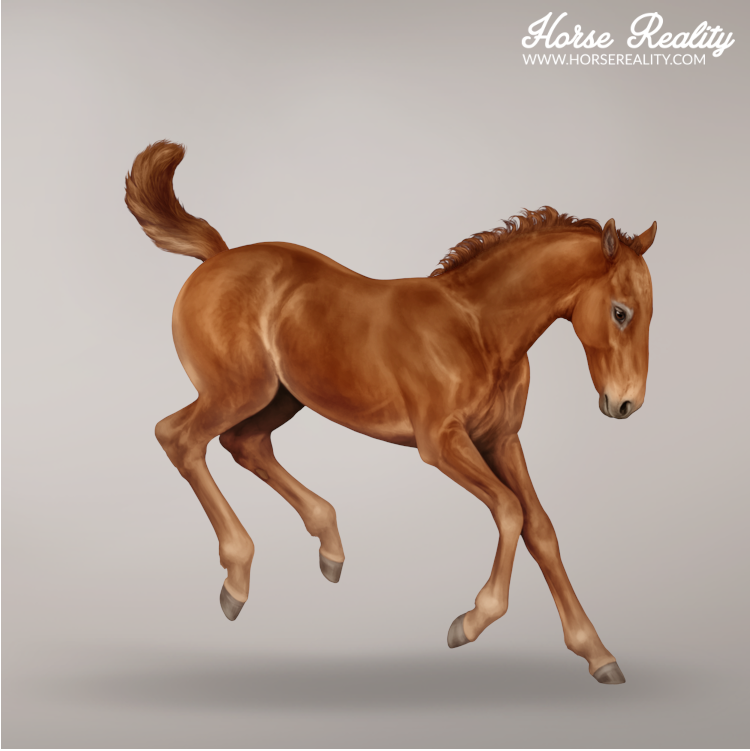 |
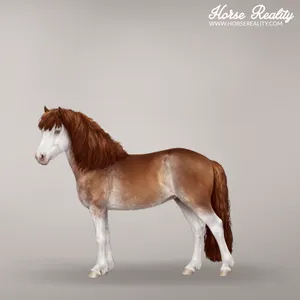
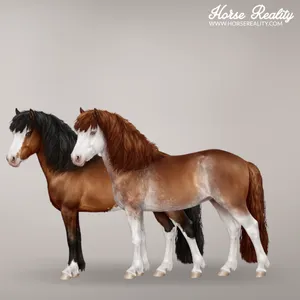
Grey foals can be born with any coat color (here: chestnut). The coat is hyperpigmented and grey foals can often be recognised by the grey “goggles” around the eyes. The greying usually starts on the head, from which it spreads to the rest of the body. |
|---|
Grey horses gradually turn lighter, going through different stages. Some horses are completely white by the time they are 5 years old, other horses don't start showing any signs at all until much later in life. Grey is linked to an increased risk of melanoma. Horses may also develop depigmentation around the eyes, nose and genitals. |
 |
Adults |
|---|
Grey shade variations
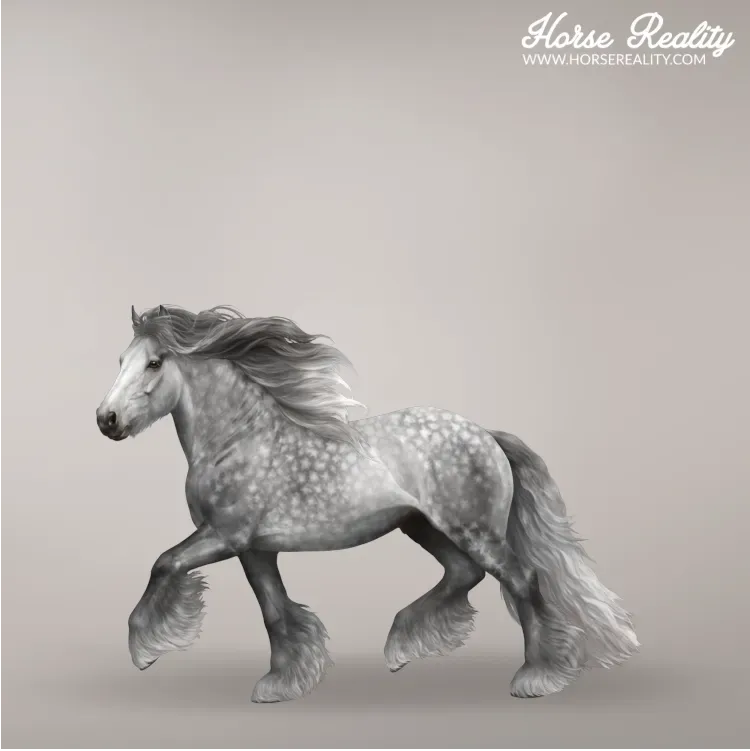
The shades/ stages of grey that horses go through in their lives are often given specific names. Here are some snapshots of the many different grey variations.
| Dark Dapple Grey |
 |
An early/intermediate grey stage where light and dark areas form a “dappled” pattern over the entire coat: dark rings with a lighter color on the inside. |
|---|
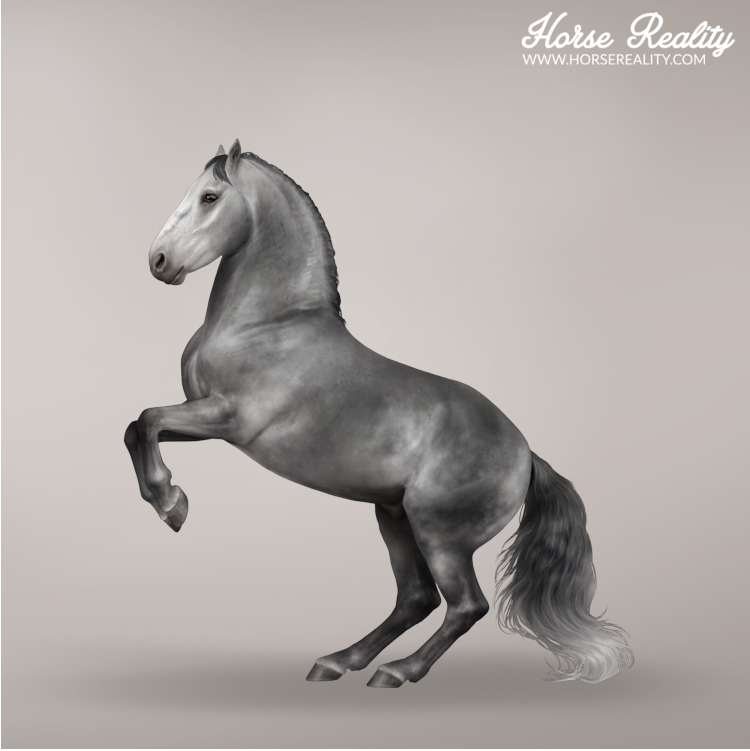
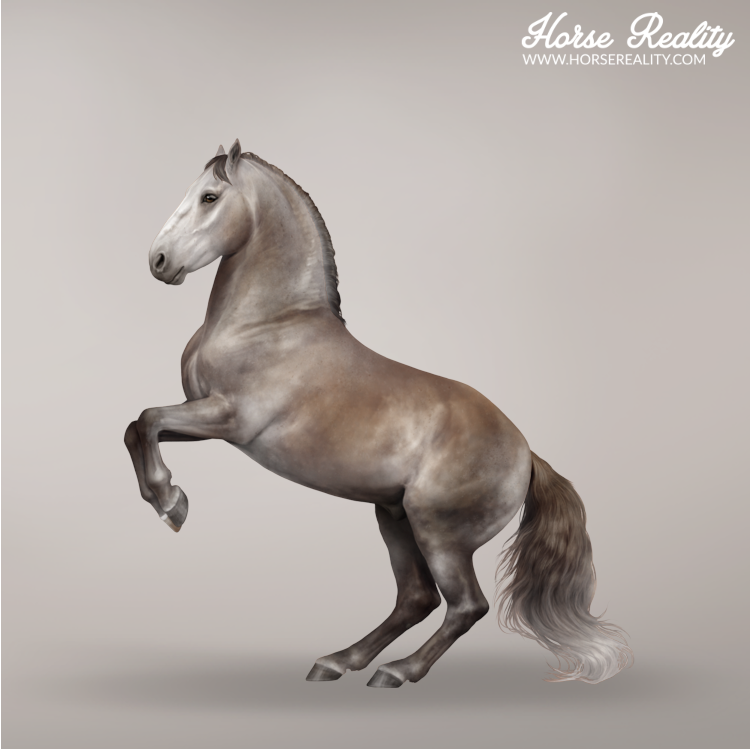
An intermediate grey stage where the white hairs are mixed in evenly with a dark original color, giving the horse a silvery look. |
 |
Steel Grey |
|---|
| Rose Grey |
 |
An intermediate grey stage where the white hairs are mixed in evenly with a red (chestnut/bay) coat color, giving the horse a light reddish tint. |
|---|
A late stage where the dapples on the coat have almost completely greyed out. The pigment is mostly retained on the legs. |
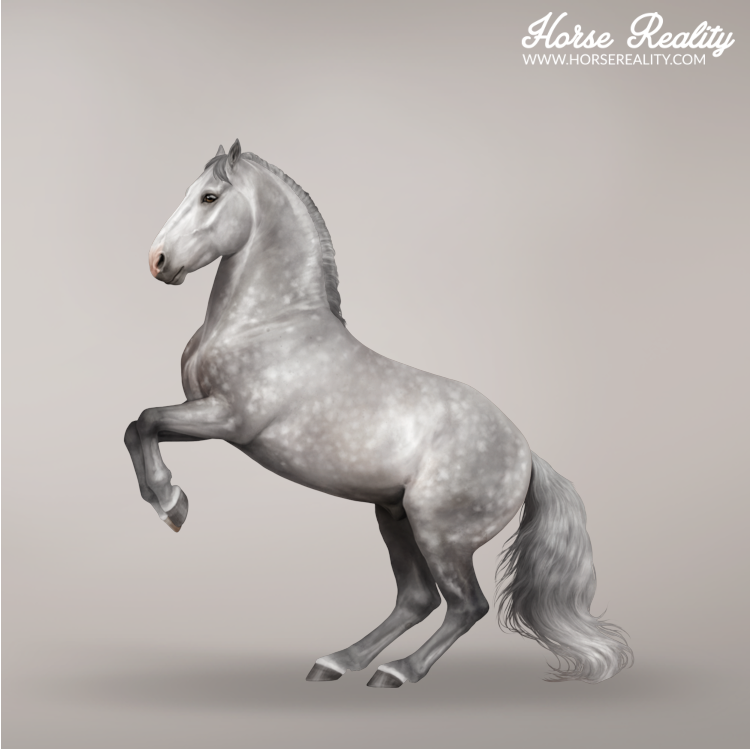 |
Light Dapple Grey |
|---|
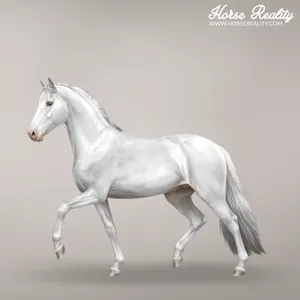
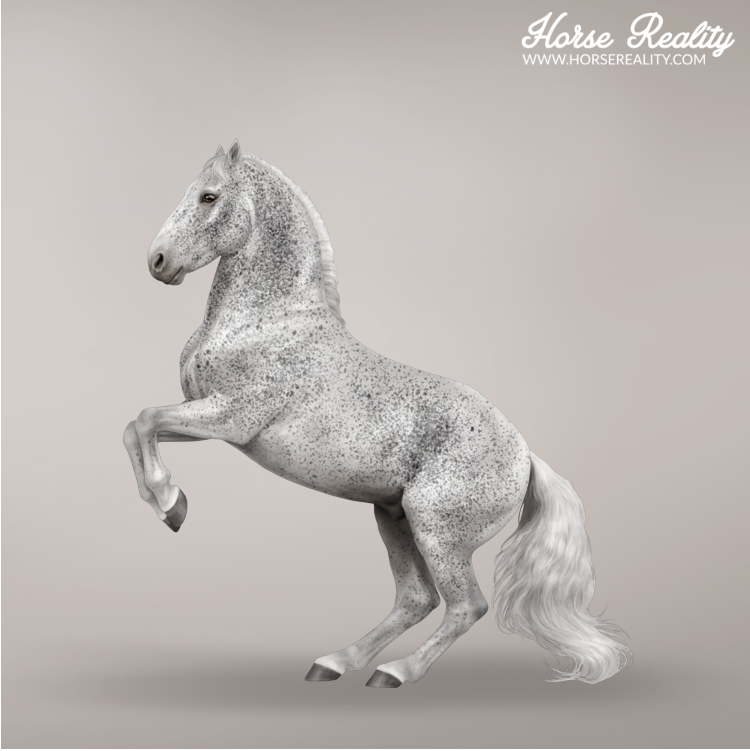
| "White" Grey |
|
A late/final stage of grey. Nearly all hairs are fully depigmented and white. |
|---|
| A fully “white” coat with small, pigmented speckles. The number of speckles can vary between horses. They usually go through a fully “white” stage first and sometimes gain more speckles as they age. |
 |
Flea- bitten Grey |
|---|
| Bloody Shoulder Grey |
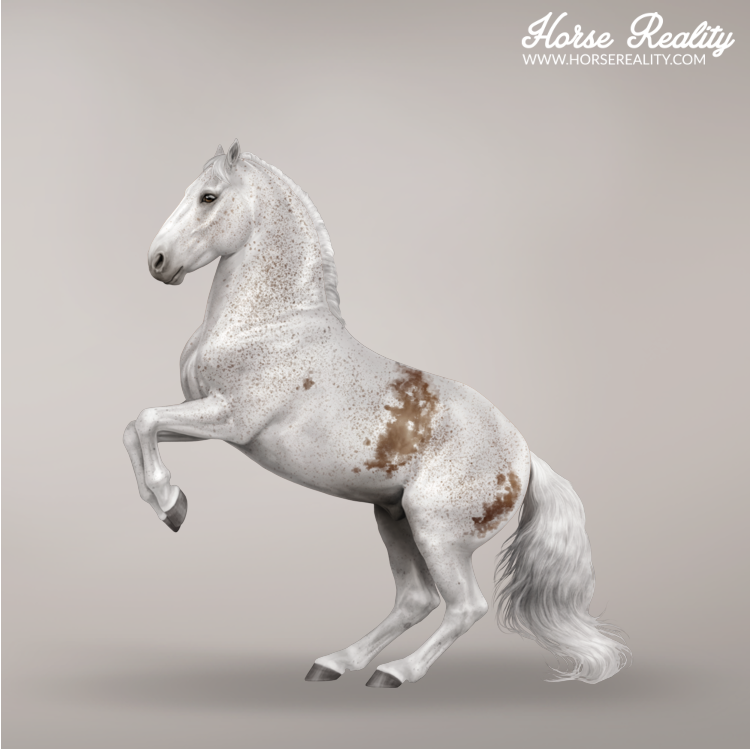 |
A bloody shoulder is a heavily pigmented area on the coat of a grey horse. It can be seen as many fleabitten specks that have merged into a big spot. Despite the name, it can be anywhere on the body. |
|---|
Mimics
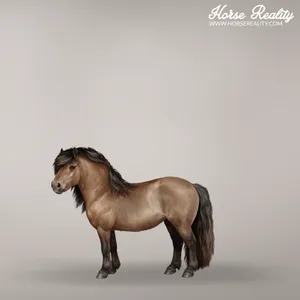
Because most horses eventually turn completely "white", it becomes difficult or impossible to determine the underlying coat color without genetic testing. White markings or patterns can sometimes still be seen, as the skin underneath them is pink, while grey horses normally have dark skin and eyes. This becomes especially visible when a grey horse is wet.
"White" grey horses can be confused with diluted coat colors such as homozygous cream.

Grey horses (unless dilution or white markings are present) have black skin and dark eyes.
Genetics
Grey is caused by the dominant G2 and G3 alleles of the STX17 gene. The effect of G2 is less strong: horses with one copy of this allele are often late-greying and have a lower risk of developing melanoma (a type of skin tumors). Horses homozygous for G3 are suspected to grey faster and have an increased risk for melanoma.

Grey:
G3/G3 (very fast)
G3/G2
G3/g
G2/G2
G2/g (slow)
In older genetic test results, you'll usually just see grey written as G/G or G/g. That there are actually multiple alleles is a pretty recent discovery.
Note: Horses that are G3/g and G2/G2 can't be distinguished with genetic testing alone at the moment. For a more detailed explanation about this, you can read our page about the STX17 gene.
In our game, Horse Reality, horses are randomly assigned one of the grey variations when they turn from a foal into and adult. Some shades are exclusive to/ more common on certain base colors. There is only one grey-allele (G) in game, at the time of development it wasn't yet known there are actually multiple variations.
Presence in horses
Grey can be found in many different breeds. The G3 allele is the most common across horse breeds. The slow-greying G2 allele has been found in 8 different breeds: Andalusian, Connemara Pony, Miniature Horse, Mangalarga Marchador, Mustang, Quarter Horse, Tennessee Walking Horse, and Welsh Pony.
Articles
- Andersson L. White horses - non-coding sequences drive premature hair greying and predisposition to melanoma; Upsala Journal of Medical Sciences (2024); Doi: 10.48101/ujms.v129.10626
- Henner J., Poncet P.A., Guérin G., Hagger C., Stranzinger G., Rieder S.; Genetic mapping of the (G)-locus, responsible for the coat color phenotype "progressive greying with age" in horses (Equus caballus); Mammalian Genome (2002) doi: 10.1007/s00335-002-2174-7
- Rosengren Pielberg G., Golovko A., Sundström E., Curik I., Lennartsson J., Seltenhammer M.H., Druml T., Binns M., Fitzsimmons C., Lindgren G., Sandberg K., Baumung R., Vetterlein M., Strömberg S., Grabherr M., Wade C., Lindblad-Toh K., Pontén F., Heldin CH., Sölkner J., Andersson L.; A cis-acting regulatory mutation causes premature hair graying and susceptibility to melanoma in the horse; Nature Genetics (2008); Doi: 10.1038/ng.185
- Rubin C.J., Hodge M., Naboulsi R., Beckman M., Bellone R.R., Kallenberg A., J'Usrey S., Ohmura H., Seki K., Furukawa R., Ohnuma A., Davis B.W., Tozaki T., Lindgren G., Andersson L.; An intronic copy number variation in Syntaxin 17 determines speed of greying and melanoma incidence in Grey horses; Nature Communications. (2024); Doi: 10.1038/s41467-024-51898-2
- Swinburne J.E., Hopkins A., Binns M.M.; Assignment of the horse grey coat colour gene to ECA25 using whole genome scanning; Animal Genetics (2002); Doi: 10.1046/j.1365-2052.2002.00895.x
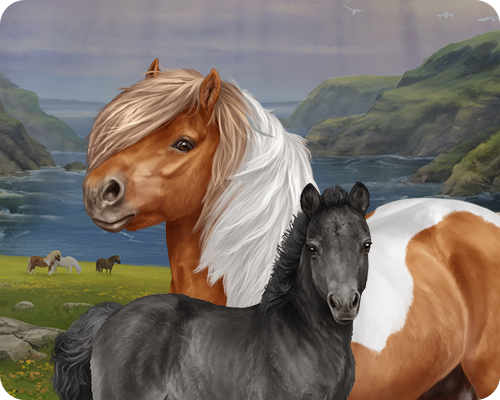
Learn while playing! Discover how genes shape colors and patterns in our realistic horse breeding game, Horse Reality